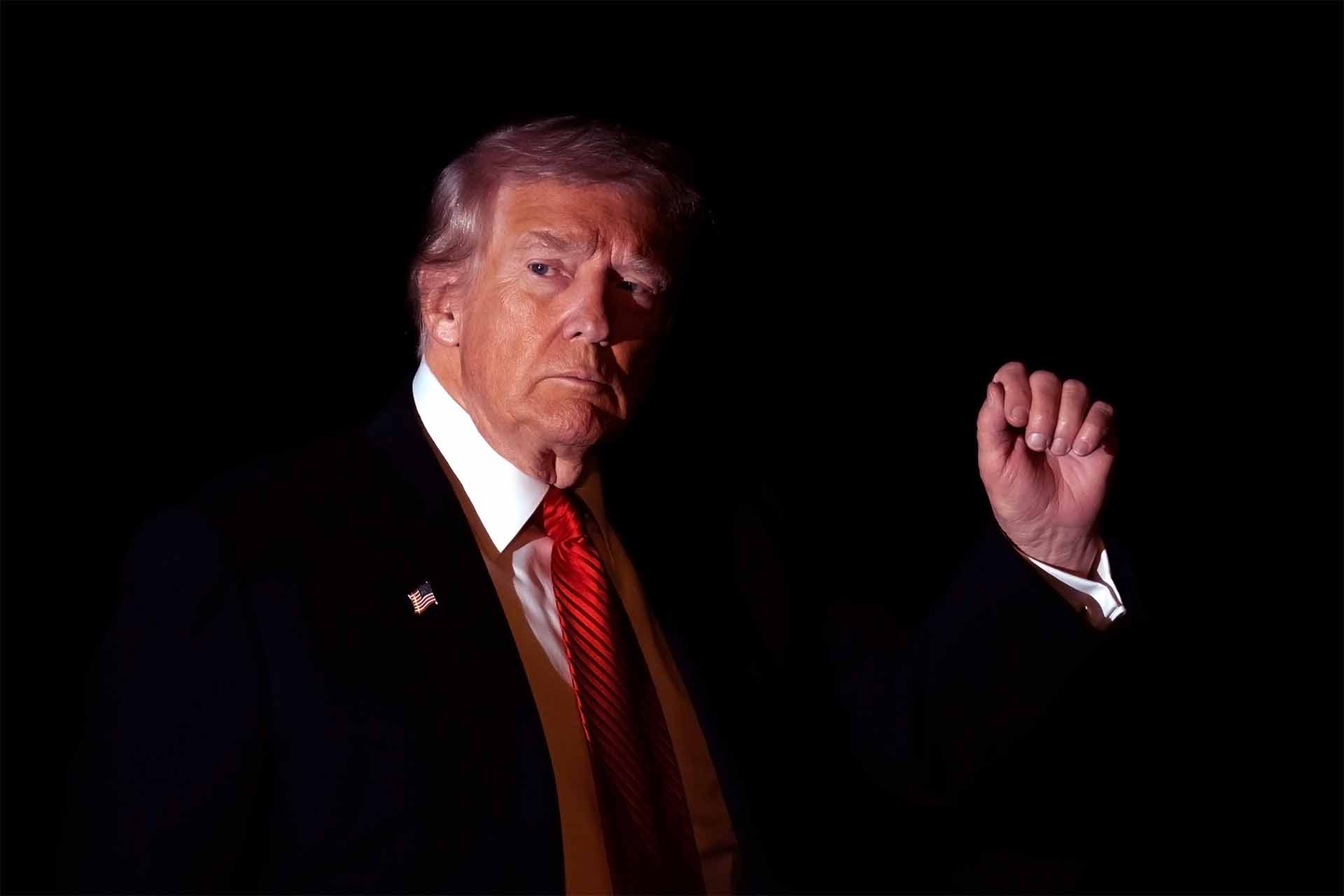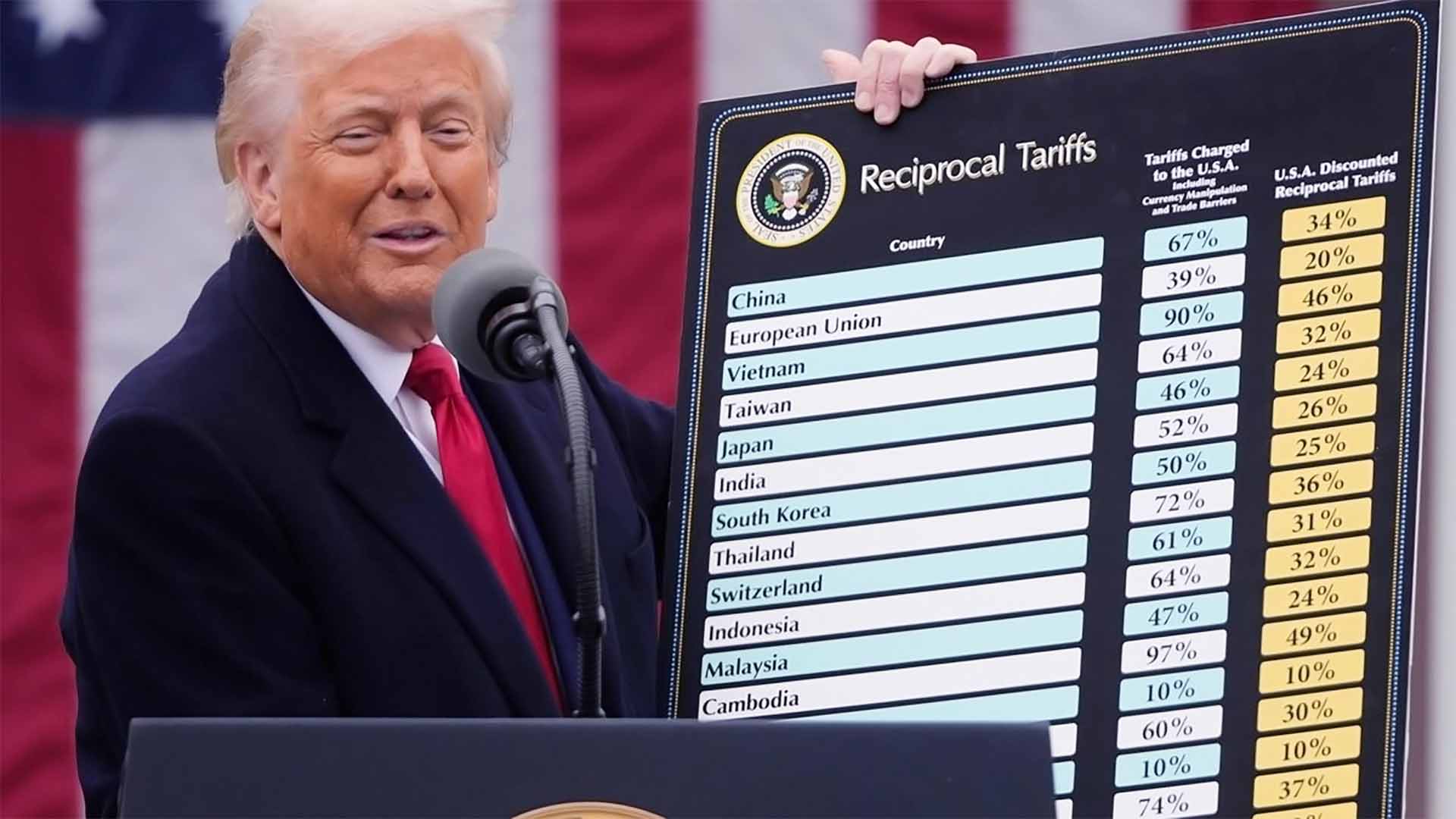
US President Donald Trump might impose new tariffs on countries that trade with Iran. He signed an executive order on Friday.
The order does not state the exact tariff rate but uses 25% as an example. It will apply to goods imported into the US from any country that buys, imports, or acquires goods or services from Iran.
Trump has not commented directly on the order, but he emphasized again that there should be “no nuclear weapons” for Iran during a speech on Air Force One on Friday night. This order comes as US and Iranian officials hold talks in Oman after several weeks of threats from both sides.
Earlier this year, Trump threatened a 25% tariff on countries doing business with Iran in a post on Truth Social. On January 12, he stated, “Effective immediately, any country doing business with the Islamic Republic of Iran will pay a tariff of 25% on any and all business being done with the United States of America.” No further details were given on how the tariffs would work.
The White House said this executive order reaffirms the “ongoing national emergency with respect to Iran” and noted that the president may change it if conditions change. The statement said, “The President is holding Iran accountable for its pursuit of nuclear capabilities, support for terrorism, ballistic missile development, and regional destabilization that endanger American security, allies, and interests.”
There has been no immediate response from Iran.
Iran Wants to Make a Deal Badly – Trump
The U.S.-Iran talks in Oman began on Friday. This is the first meeting since last June when the U.S. bombed Iran’s main nuclear facilities.
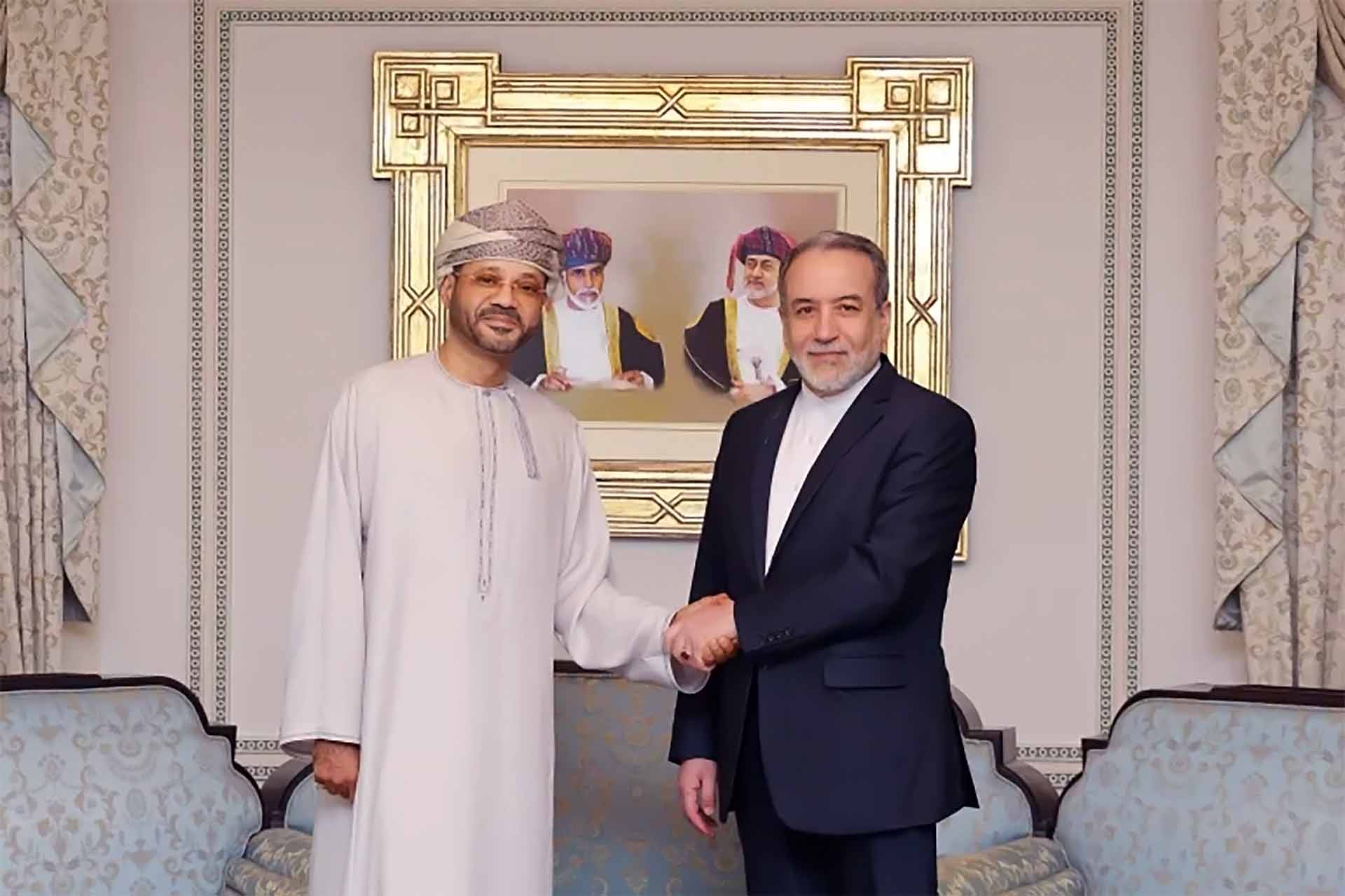
Iran’s team was led by Foreign Minister Abbas Araghchi. The U.S. was represented by special envoy Steve Witkoff and Jared Kushner, who is President Trump’s son-in-law.
President Trump told reporters on Air Force One that the talks went “very well.” He added that Iran “really wants to make a deal.” Trump warned that if Iran does not agree to a deal, there could be serious consequences. He mentioned there will be another meeting early next week.
Oman’s Foreign Minister Badr Albusaidi, who helped to mediate the talks, said they were useful for clarifying both sides’ views and identifying areas for progress.
In a statement on X, Araghchi called the talks “a good start” and noted that there was a “positive atmosphere.” He said the negotiators have returned to their capitals for more discussions.
Tensions between the U.S. and Iran have raised fears of conflict. Recently, Trump said that Iran’s Supreme Leader Ayatollah Ali Khamenei should be “very worried.” He indicated that he might take military action if Iran does not reach a deal on its nuclear program.
Iran insists that its nuclear program is peaceful and denies claims from the U.S. and its allies that it wants to develop nuclear weapons.
In response to Iran’s violent crackdown on anti-government protests, the U.S. has increased its military presence in the region. Trump described this as a “massive armada.”
Human rights groups report that thousands were killed during the crackdown, but the full number is unclear because the Iranian government imposed internet restrictions after January 8th.