Blog

  • European Military Arrive in Greenland as Trump States US Needs the Island

    European Military Arrive in Greenland as Trump States US Needs the Island

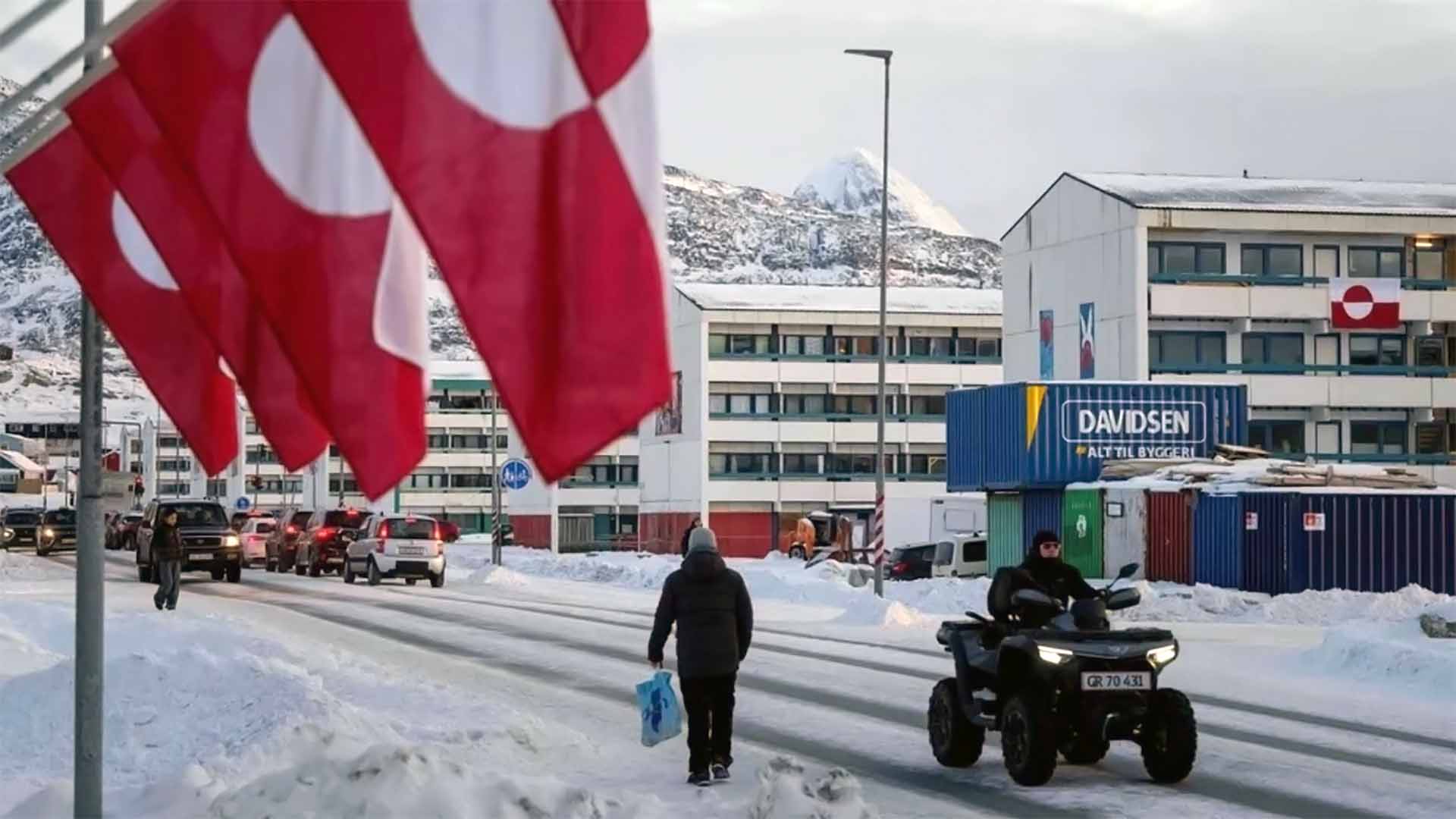
    A small French military group has arrived in Nuuk, Greenland’s capital, according to officials. This group is part of a reconnaissance mission that includes soldiers from Germany, Sweden, Norway, Finland, the Netherlands, and the UK.

    This limited deployment happens as U.S. President Donald Trump continues to claim Greenland, which is a semi-autonomous territory of Denmark. French President Emmanuel Macron said more land, air, and sea support would come soon.

    Senior diplomat Olivier Poivre d’Arvor highlighted that this mission sends a clear message: “This is a first exercise… we’ll show the U.S. that NATO is here.” The initial French group includes 15 people. They arrived shortly after the foreign ministers of Denmark and Greenland had a meeting with U.S. Vice President JD Vance on Wednesday.

    After the meeting, Danish Foreign Minister Lars Løkke Rasmussen called the talks productive but mentioned a “fundamental disagreement” between the two sides. He also criticized Trump’s offer to buy Greenland.

    Trump wants to take control of Greenland because he thinks it will help keep the country safe. He said he hopes to make a deal with Denmark. He also mentioned that if Russia or China wanted Greenland, they could do something about it, but he believes the U.S. can protect it.

    On Thursday, White House Press Secretary Karoline Leavitt stated that sending more European troops to Greenland would not change the president’s decision on the territory. She added, “Nor does this affect his goal of acquiring Greenland.”

    Poland Did Not Plan to Join the European Military Deployment to Greenland.

    Polish Prime Minister Donald Tusk announced that Poland will not join the European military deployment to Greenland. He warned that any U.S. military action there would be a “political disaster.”

    At a press conference, he said, “A conflict or attempted takeover of a NATO member’s territory by another NATO member would change the world as we know it and threaten our security.”

    Russia’s embassy in Belgium expressed “serious concern” about the situation in the Arctic. They accused NATO of increasing its military presence there under false claims of a growing threat from Moscow and Beijing.

    Currently, the European NATO deployment consists of only a few dozen personnel participating in Danish-led exercises called Operation Arctic Endurance. While this deployment holds significant meaning, it is unclear how long these troops will remain.

    Finland is sending two military liaison officers for a fact-finding mission, which is still in the planning phase.

    Janne Kuusela, from Finland’s defense ministry, told the BBC, “Right now, we are not ruling anything out, but we are not specifically considering anything.”

    As an Arctic nation, Finland aims to strengthen the defense of allied territory due to concerns about NATO’s presence in Greenland.

    An Increased Military Presence Around Greenland

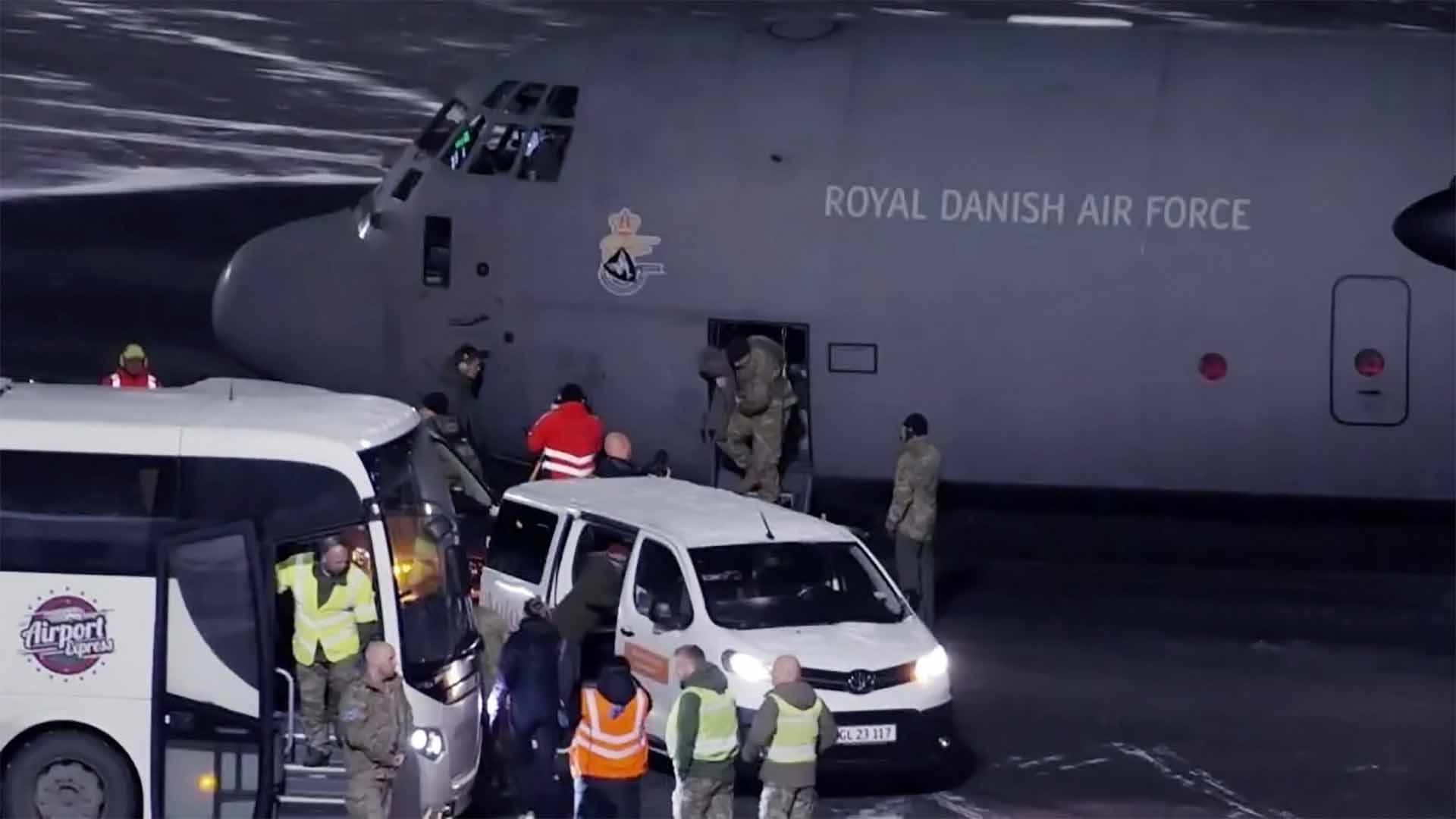
    Germany is sending an A400M transport plane to Nuuk on Thursday with 13 soldiers. They will stay in Greenland only until Saturday.

    Danish leaders and the Greenland government will add more military personnel to Greenland. This will help NATO protect the Arctic and keep Europe and North America safe.

    In his New Year’s speech to the French armed forces, President Macron noted that Europeans have a special responsibility toward Greenland, as it is part of the European Union and a NATO ally.

    The United States has a military base in Greenland with about 150 personnel. The U.S. can bring in more troops if needed under agreements with Denmark. This Danish-led initiative shows that European allies are also concerned about security in the Arctic and North Atlantic.

    Sweden’s Prime Minister said they sent Swedish army officers to Nuuk on Wednesday. Two Norwegian soldiers, one British military officer, and a Dutch naval officer are also being deployed.

    Downing Street stated that the UK shares President Trump’s concerns about “the security of the High North.” The UK will increase military exercises to deter Russian aggression and Chinese activity.

    Danish Prime Minister Mette Frederiksen said that protecting Greenland is a shared concern for all NATO members.
  • Trump has Suspended Immigrant Visas for 75 Countries

    Trump has Suspended Immigrant Visas for 75 Countries

    The U.S. government will stop processing immigrant visas for applicants from 75 countries starting January 21. This change affects people wanting to move to the U.S. permanently. It does not impact visitors or those with short-term visas.

    This decision comes five months before the U.S. hosts the FIFA World Cup with Canada and Mexico. It also follows a series of crackdowns on immigrants, refugees, foreign students, and visa applicants, raising concerns about how the U.S. views visitors.

    What announcement has been made by the U.S. administration?

    The State Department has told U.S. consulates to stop processing immigrant visa applications from certain countries. This decision comes after an order to increase checks on potential immigrants who might financially burden the U.S.

    “The Trump administration is ending the misuse of America’s immigration system by those who take advantage of American resources,” the department said.

    Processing of immigrant visas from these 75 countries will be paused while the State Department reviews its procedures to prevent foreign nationals from relying on welfare and public benefits.

    How does it work?

    According to the State Department, people from the affected countries can still apply for immigrant visas. However, no visas will be approved or issued while the pause is in place. The U.S. government has not said when this suspension might end.

    Dual nationals can apply using a valid passport from a country not included in the suspension. This pause does not affect non-immigrant visas, such as temporary, tourist, or business visas.

    Other Immigration Restrictions Under the Trump Administration

    Recently, the Trump administration has tightened immigration rules for people from countries with weak vetting processes. The State Department has set new limits on migration from these nations.

    In January 2025, the White House stated that the U.S. could not accept large numbers of migrants, especially refugees. They said this could strain public resources, create security issues, and make it harder for newcomers to adjust.

    In June, the administration imposed a full travel ban on people from 12 countries: Afghanistan, Chad, the Congo, Equatorial Guinea, Eritrea, Haiti, Iran, Libya, Myanmar, Somalia, Sudan, and Yemen.

    By October, the White House announced the lowest refugee admissions limit in U.S. history: just 7,500 refugees for the 2026 fiscal year. Most of this cap is for white Afrikaners from South Africa. Trump has spread false claims about a genocide against white South Africans, despite data showing that violence affects people of all races in that country.

    At the same time, the Trump administration has cut foreign aid programs that help refugees living abroad.

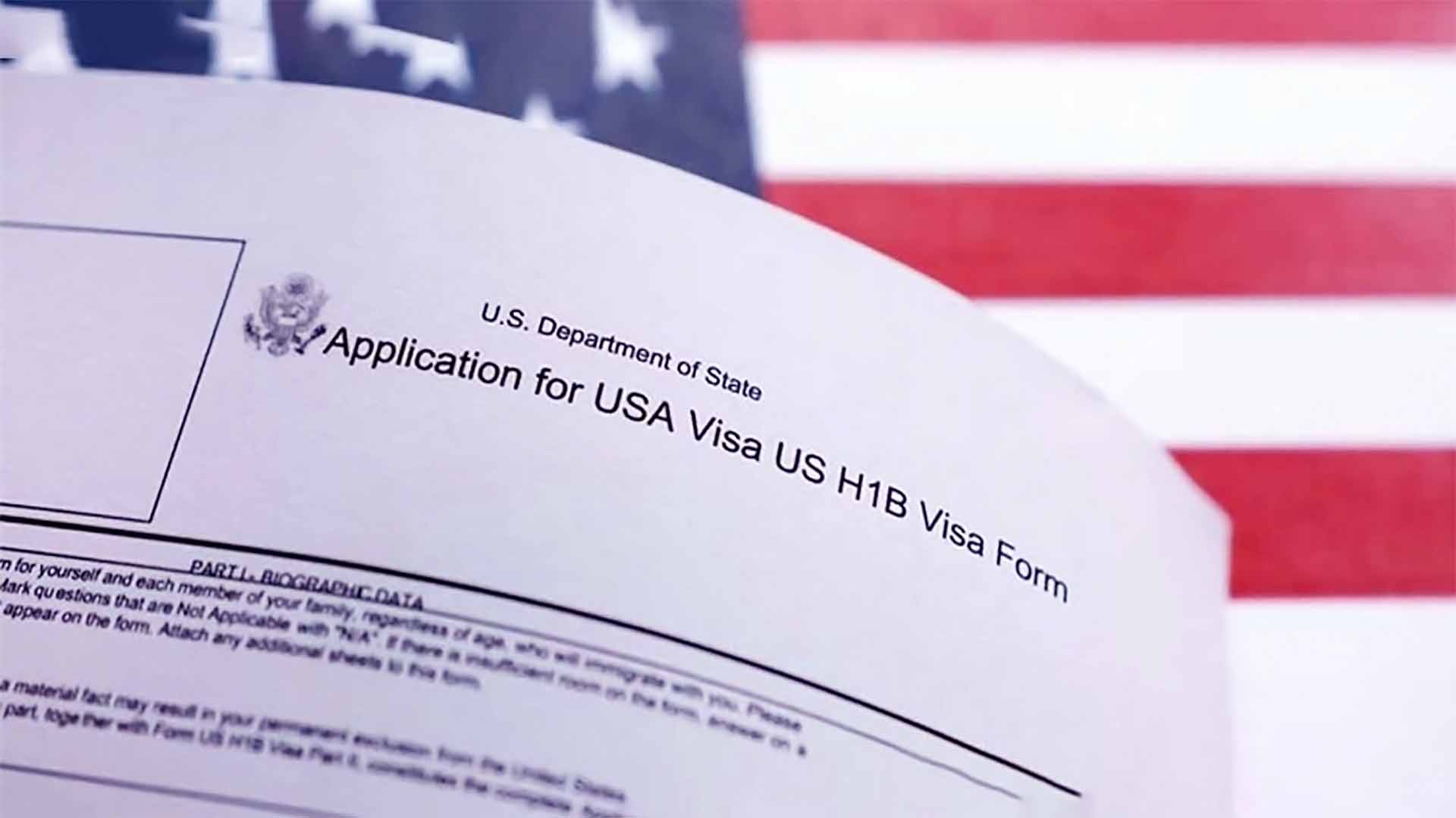
    The administration has also worked to limit skilled immigration. They claim this protects jobs for U.S. citizens. In September, they raised the application fee for H-1B visas, which companies use to hire foreign workers, to $100,000.

    After an Afghan national linked to the shooting of two National Guard members in Washington, D.C., the government added more travel restrictions. They expanded the ban to include six more countries: Palestine, Burkina Faso, Mali, Niger, South Sudan, and Syria.

    Immigration officials have also paused asylum cases and stopped processing citizenship and green card applications for people from the countries affected by the bans.

    Is the Trump administration deporting people at record rates?

    By early December, Trump’s Department of Homeland Security said it had deported over 605,000 people, while about 1.9 million people had left the country on their own.

    As a result, the United States saw more people leaving than entering in 2025. This was the first time in 50 years that net negative immigration happened, according to the Brookings Institution. Their researchers estimated that the net loss of immigrants that year was between 10,000 and 295,000 people.

  • Greenland & Denmark say Trump Aimed to ‘Conquer’ Territory after Meeting

    Greenland & Denmark say Trump Aimed to ‘Conquer’ Territory after Meeting

    The foreign ministers of Denmark and Greenland visited Washington, DC, to talk with officials from President Donald Trump’s administration. On Wednesday, officials said they made little progress in changing Trump’s desire to acquire Greenland, a self-governing territory of Denmark.

    Danish Foreign Minister Lars Lokke Rasmussen told reporters, “We didn’t manage to change the American position. It’s clear that the president wants to take control of Greenland.”

    Rasmussen and Greenlandic Foreign Minister Vivian Motzfeldt hoped their discussions with U.S. Secretary of State Marco Rubio and Vice President JD Vance would reduce tensions about Greenland’s future.

    The meeting didn’t fix some important disagreements. Instead, they decided to make a group to talk about Greenland and safety in the Arctic.

    Rasmussen said, “The group should help with American safety concerns and respect Denmark’s land.”

    Motzfeldt called for working together with the U.S. but made it clear that Greenland does not want to be “owned by the United States.”

    A social media account for Greenland’s government in the U.S. and Canada also pointed out the need for Indigenous voices in discussions about Greenland.

    The account stated, “Why don’t you ask us, Kalaallit? The last poll showed that only 6% of Greenlanders/Kalaallit wanted to become part of the U.S.”

    China and Russia Pose a Threat to Western Interests

    European allies want to work more closely with the United States on security in the Arctic. The Trump administration claims that China and Russia threaten Western interests there.

    But these offers have not changed Trump’s belief that the U.S. needs to “own” Greenland. This stance has raised concerns from the Greenland government and U.S. allies in Europe.

    On Wednesday, during a ceremony to sign a law about domestic milk consumption, Trump said again that the U.S. should acquire Greenland for “national security” reasons. He also questioned Denmark’s ability to defend against any possible invasion.

    “Greenland is very important for national security, including Denmark’s,” Trump told reporters. “If Russia or China wanted to occupy Greenland, Denmark wouldn’t be able to stop them, but the U.S. could.”

    He also mentioned that he has “a very good relationship with Denmark” and would receive a briefing about the day’s meetings after his appearance.

    The United States already has some military personnel in Greenland and could increase this number based on an existing treaty. “There is currently a base there with about 150 personnel. The Danish and Greenlandic governments are open to discussing expanding the U.S. military presence,” said Al Jazeera correspondent Alan Fisher.

    “However, Trump insists that anything less than U.S. control is unacceptable. He wants the U.S. to move into Greenland as soon as possible.”

  • Trump Says Iran Called Off Protester Executions Amid Fears for Erfan Soltani’s Fate

    Trump Says Iran Called Off Protester Executions Amid Fears for Erfan Soltani’s Fate

    US President Donald Trump announced on Wednesday that Iran has chosen not to execute a detained protester who took part in anti-government demonstrations. This decision came after human rights activists and the US State Department highlighted the issue.

    Trump stated, “We have been told that executions in Iran are stopping, and there are no plans for any executions. The killing has stopped. The executions have halted.”

    Previously, there were concerns that Iranian authorities might execute Erfan Soltani, a 26-year-old protester arrested less than a week ago, according to his family and the State Department.

    Trump reassured reporters, “There is no plan for an execution. I have reliable information on this. We will confirm the situation. I would be very upset if it happened.” He did not provide details about his source.

    Soltani’s family member, Somayeh, told CNN that the execution planned for earlier that day had not taken place. However, she mentioned that it was not officially canceled, and they were waiting for more updates.

    Hengaw, a human rights organization based in Norway, reported later on Wednesday that Soltani’s execution has been postponed.

    In a post on X on Tuesday, the State Department said Iranian authorities intended to execute Soltani, who was arrested at home last week for his involvement in protests in Fardis, a city about 25 miles west of Tehran.

    The State Department added, “More than 10,600 Iranians have been arrested by the Islamic Republic regime just for demanding their basic rights. Erfan Soltani, 26, is among them, and his death sentence was set for January 14.”

    10-min Sham Trial

    Somayeh spoke to CNN on Tuesday. She did not give her full name due to safety concerns. She said that Soltani was “an incredibly kind and warm-hearted young man” who “always fought for the freedom of Iran.”

    Somayeh explained that Soltani was not allowed a lawyer or a chance to appeal his death sentence. She stated that his trial was rushed.

    Experts say that rushed death sentences and unfair trials happen often in Iran.

    The US State Department mentioned on social media that “this time, the Islamic Republic regime didn’t even bother with its usual 10-minute sham trial.”

    In an interview with Fox News aired Wednesday, Iran’s Foreign Minister Abbas Araghchi claimed that hanging protesters is “out of the question.” He said he is confident about this and described reports saying otherwise as part of a “misinformation campaign.” He believes these reports are meant to provoke President Trump and could lead to serious consequences.

    Over the weekend, Iranian Attorney General Mohammad Movahedi Azad said that legal actions against protesters, whom he called “terrorists,” will happen “without leniency, mercy, or appeasement,” according to the semi-official news agency Tasnim.

    On Wednesday, Iran’s Islamic Revolutionary Guard Corps (IRGC) announced that its intelligence network received almost 400,000 public reports, resulting in some arrests.

    Denied Access to Case

    Hengaw reported that Soltani was arrested at his home last Thursday. Four days later, his family learned that he would be executed.

    Soltani’s family cannot access any information about his case, including the charges against him. His sister, who is a licensed lawyer, tried to look into the case but has been blocked by authorities from seeing the case file.

    They received only a short chance to visit him one last time before his execution.

    This upcoming execution has increased tensions between the United States and Iran, with Trump considering military action against Iran.

    On Tuesday, Trump warned Iran not to execute protesters and said the US would respond strongly. In an interview with CBS News, he said, “If they do such a thing, we will take very strong action,” but he did not explain what that would be. Trump acknowledged he had not heard about hangings but stressed that such actions could lead to a strong US response.

    “We don’t want to see what’s happening in Iran. If they want to protest, that’s one thing; but when they start killing thousands of people, and now you’re telling me about hangings, we’ll see how that works out for them,” Trump said. “It’s not going to work out well.”

    Somayeh, a family member, reached out to Trump for help.

    “Our demand now is that Trump truly stand behind his words because the Iranian people came to the streets based on those statements,” she told CNN on Tuesday. “An unarmed population trusted these words and is now under gunfire. I beg you, please do not let Erfan be executed. Please.”


  • Trump Envoy Launches ‘Phase II’ to End Gaza War

    Trump Envoy Launches ‘Phase II’ to End Gaza War

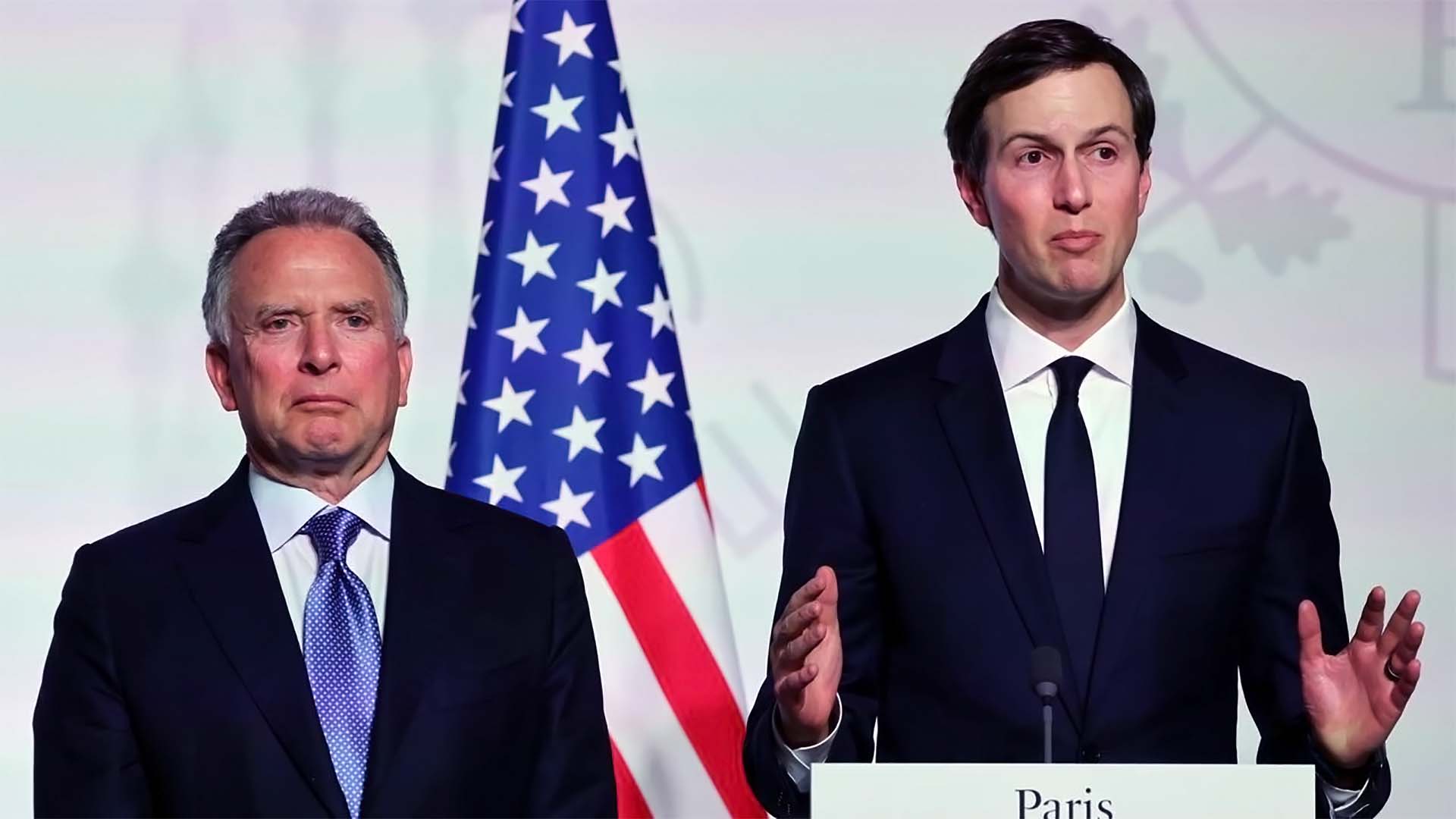
    United States President Donald Trump’s special envoy to the Middle East has announced the start of the second phase of a U.S.-backed plan to end the conflict between Israel and the Palestinians in the Gaza Strip.

    Steve Witkoff wrote on social media on Wednesday that Trump’s 20-point Gaza plan is now moving from a ceasefire to steps for demilitarization, governance, and rebuilding.

    This second phase will set up a temporary administration to manage the damaged Palestinian territory. It will focus on fully demilitarizing Gaza and rebuilding it, Witkoff said.

    “The US expects Hamas to meet its obligations, including the immediate return of the last deceased hostage. Failing to do so will have serious consequences,” he warned.

    The Gaza Government Media Office reported that Israel has broken the U.S.-backed ceasefire over 1,190 times since it began in October. These violations have killed more than 400 Palestinians and blocked essential humanitarian aid from reaching the area.

    Hamas, which has criticized Israel’s repeated ceasefire violations, did not immediately respond to Witkoff’s announcement.

    Al Jazeera reporter Tareq Abu Azzoum, speaking from Deir el-Balah in central Gaza, mentioned that Hamas had previously said it was willing to give up day-to-day governance in Gaza as described in the Trump plan.

    However, it is still unclear what the new governing body will look like or how it will operate, Abu Azzoum said. He noted that many questions remain about rebuilding Gaza, where over 80 percent of buildings have been damaged or destroyed by Israeli attacks.

    “The stability of the ceasefire is very important. Any worsening of the situation could delay or even ruin these plans,” Abu Azzoum warned.

    Board of Peace

    Prime Minister Benjamin Netanyahu talked to the parents of Ran Gvili. Ran was a police officer in Israel, and his body is still in Gaza. Netanyahu said it is very important to bring Ran back to Israel. He also stated that the plans to create a technocratic committee to run Gaza will not hinder their efforts to recover Gvili.

    The US has put forward a 20-point proposal, which includes starting a “Board of Peace” led by Trump. It also suggests sending an “international stabilization force” to ensure security in Gaza.

    Last week, Netanyahu announced that former UN Middle East envoy Nickolay Mladenov will lead this board. This board will oversee the Palestinian technocratic government that governs Gaza.

    Gaza Mediators Welcome Technocratic Body

    Mediators from Qatar, Turkey, and Egypt welcomed the creation of a Palestinian technocratic body led by Ali Abdel Hamid Shaath.

    On Wednesday, a statement was released expressing hope that the new committee would help carry out the second phase of the ceasefire agreement in Gaza. The statement said that everyone needs to agree to the plan to help bring peace and rebuild Gaza.

    Marwan Bishara, a reporter, is worried about a US plan to stop the fighting. He thinks the plan helps Israel too much. He wonders, “How can it be fair if one side gets more help?”

    He also says that people in Gaza are still suffering while President Trump and his team think they are helping. Bishara said that Israel is not interested in leaving Gaza, and he believes the US will not pressure Israel. “I think we will face a long wait for phase two,” he concluded.

    The United Nations and major humanitarian organizations in Gaza are asking Israel to allow aid to come in without restrictions. This includes food, supplies for shelter, and equipment to clear debris and rebuild homes. Legal experts say that these restrictions go against Israel’s duty to help meet the needs of Palestinians in the area it controls.

  • US & UK Withdrawing Personnel from Qatar Military Base

    US & UK Withdrawing Personnel from Qatar Military Base

    The United States and the United Kingdom are reducing the number of military personnel at the Al-Udeid air base in Qatar. This decision comes as US President Donald Trump considers action against Iran over its response to anti-government protests.

    Officials told CBS, a US news outlet, that the partial withdrawal of American troops is a safety measure. Some UK military personnel are also being withdrawn.

    The Qatari government stated that these actions by the US are a response to rising tensions in the region. Trump has said that the US will take strong action against Iran if the country executes any protesters. In response, Iran has warned it will retaliate if the US attacks.

    Human rights groups report that more than 2,400 anti-government protesters have been killed during the recent violent crackdown by Iranian authorities.

    The Qatari government has promised to take all necessary steps to keep its citizens and residents safe. This includes protecting important infrastructure and military sites.

    Al-Udeid is the largest US military base in the Middle East, hosting about 10,000 US troops and around 100 UK personnel. It is unclear how many will be leaving.

    A spokesperson from the UK Ministry of Defence did not comment on the reports of personnel withdrawal, citing operational security.

    Iran Warned Trump of Retaliation in Case of Attack

    A senior adviser to Iran’s Supreme Leader, Ayatollah Ali Khamenei, warned Donald Trump on Wednesday that a recent attack in June showed Iran’s ability to respond to any attack. Ali Shamkhani said in a post on X, “This will help others understand Iran’s willingness and ability to respond.”

    The US Mission to Saudi Arabia has advised its personnel and citizens to be careful and limit non-essential travel to military sites in the region.

    The US has threatened to intervene in Iran after the killing of protesters. On Tuesday, Trump posted on Truth Social that Iranian authorities would “pay a big price” for these killings and encouraged people to “keep protesting.” He said Iranian leaders called him, wanting to negotiate, but he claimed the US “may need to act before a meeting.”

    Iran’s government accused the US of trying to create a reason for military intervention. The speaker of the Iranian parliament warned that if the US attacks, Israeli and US military and shipping centers in the region would become targets.

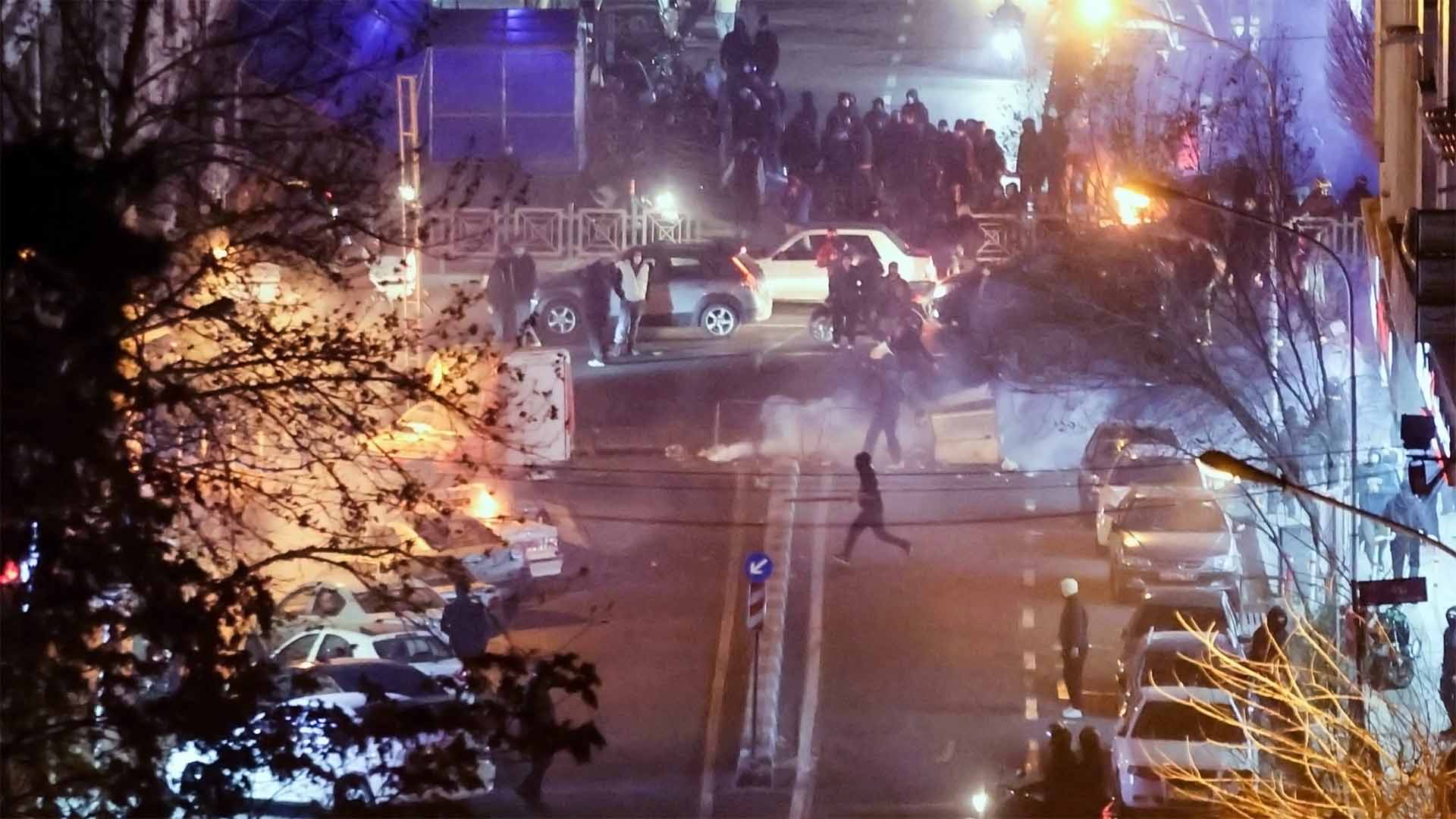
    The latest protests in Iran started in late December due to the falling currency and rising living costs. The protests quickly grew into demands for political change, presenting a serious challenge to Iran’s clerical leadership since the 1979 Islamic Revolution.

    The US-based Human Rights Activists News Agency (HRANA) reported that it has confirmed the deaths of 2,403 protesters, including 12 children, despite an internet blackout. They also reported that more than 18,434 protesters have been arrested during the unrest.

  • Trump Cancels Iran Meetings, Urges Protesters to Seize Institutions

    Trump Cancels Iran Meetings, Urges Protesters to Seize Institutions

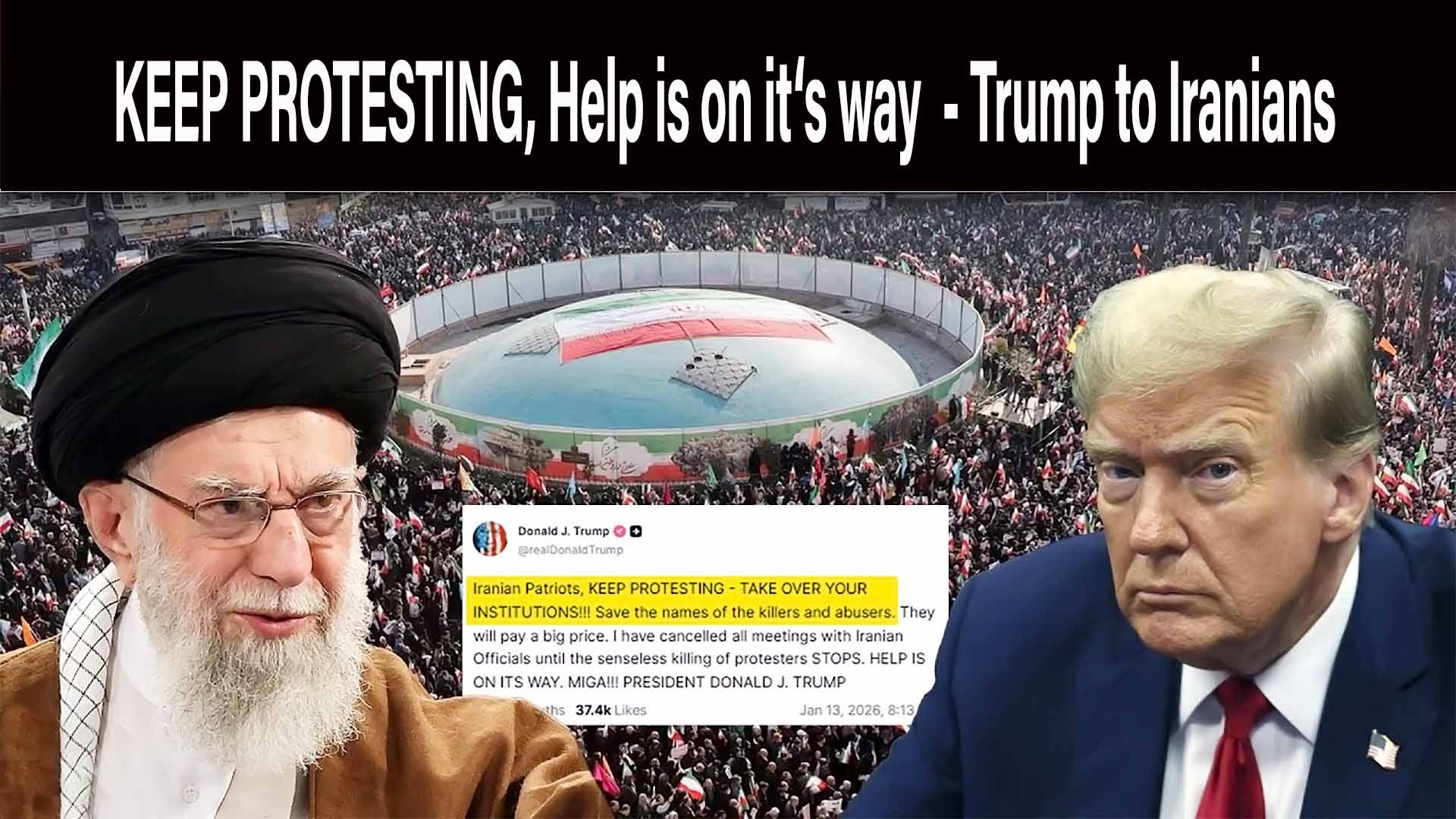
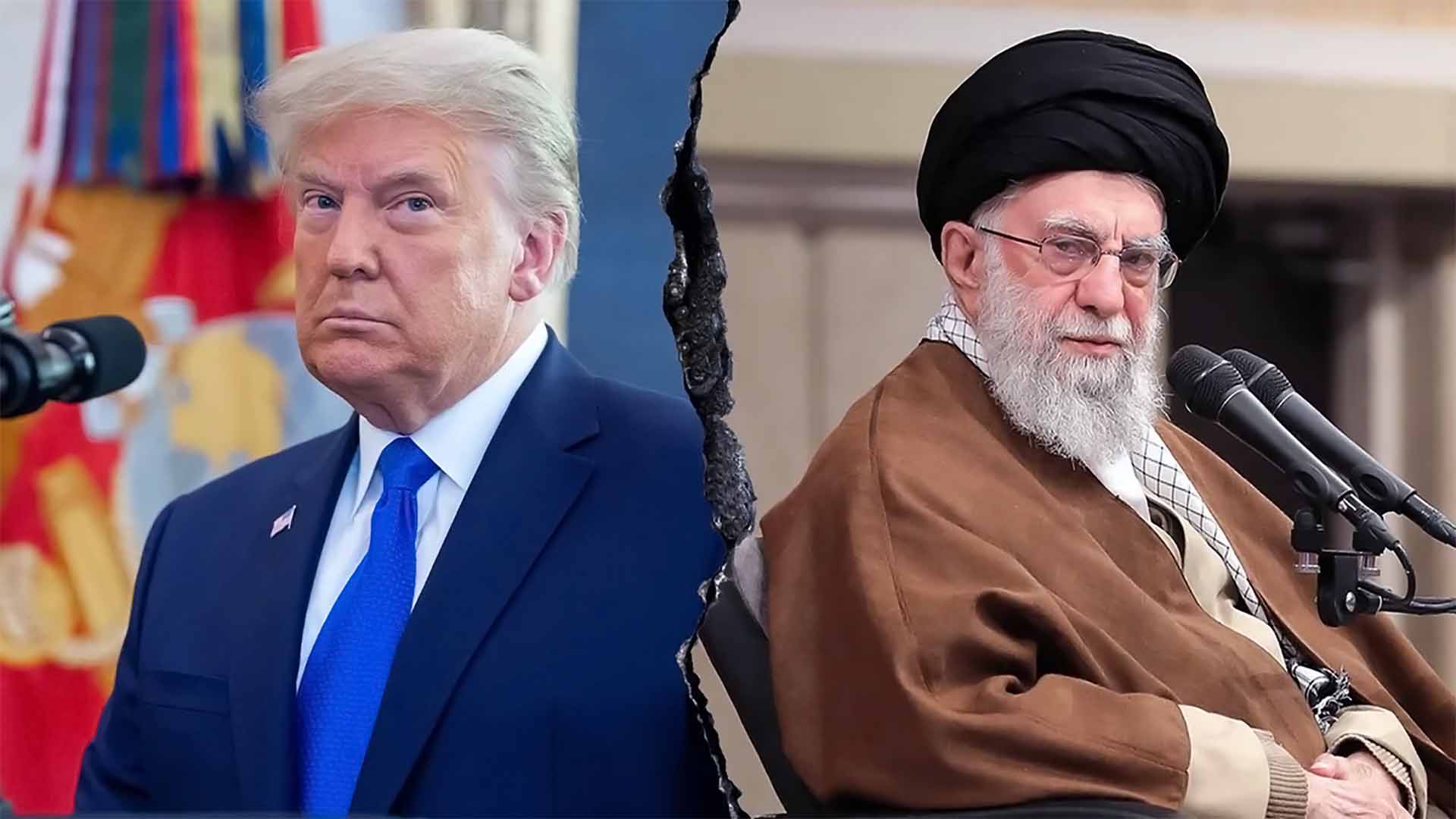
    US President Donald Trump has canceled all meetings with Iranian officials. He urged protesters in Iran to “take over your institutions” after a government crackdown.

    On Tuesday, Trump posted on social media that “help is on the way” but did not elaborate. He has been considering military action against Iran recently.

    “Iranian Patriots, KEEP PROTESTING-TAKE OVER YOUR INSTITUTIONS! Save the names of the killers and abusers. They will pay a big price,” Trump wrote on Truth Social.

    “I have canceled all meetings with Iranian officials until the senseless killing of protesters stops. HELP IS ON ITS WAY. MIGA!!! [MAGA].”

    Trump has threatened military strikes against Iran to pressure the country to meet US demands. He suggested that a harsh response from Iranian authorities to the protests could lead to US military action. On Monday, he announced a 25% tariff on any country doing business with Iran.

    Analysts have warned that US strikes could break international law and lead to unexpected problems, especially with the large protests happening in Iran.

    Human rights groups outside Iran say hundreds of protesters have died, while state media report that over 100 security personnel have also died.

    Trump Announced to Invade Iran

    Trump has suggested that the US may intervene in Iran. His national security team will meet today to discuss options.

    Thousands of people are feared dead after a strong crackdown on weeks of protests against the government in Iran. Many Iranians are reporting high levels of death and destruction when they manage to call family abroad.

    An Iranian security official told Reuters that the death toll could be around 2,000 people, which includes security personnel.

    One protester, Erfan Soltani, is set to be executed tomorrow. A human rights group mentioned that they have never seen a case move so quickly.

    Although some people in Iran can now make calls outside the country, an ongoing internet blackout makes it hard to confirm information from inside.

    Top Iranian Official Attributes Iranian Deaths to Trump

    Iran’s security forces have increased their crackdown in recent days. The Human Rights Activists News Agency, based in the US, reports that at least 1,847 protesters have been killed since the demonstrations began on December 28. They warn that the actual death toll could be much higher.

    In response to former President Trump’s comments on X (formerly Twitter), Ali Larijani, Secretary of the National Security Council and adviser to Iran’s Supreme Leader Ayatollah Ali Khamenei, said, “We announce the names of the main murderers of the Iranian people: 1- Trump 2- Netanyahu.”

    This is not the first time Larijani has responded to Trump on social media.

    Earlier, on January 2, Trump wrote on Truth Social: “If Iran shoots and violently kills peaceful protesters, which is their custom, the United States of America will come to their rescue.”

    Larijani replied, “Trump should know that US interference in this internal matter would mean destabilizing the entire region and harming America’s interests.”

  • US Classified Muslim Brotherhood in Egypt, Lebanon, Jordan as ‘Terrorists’

    US Classified Muslim Brotherhood in Egypt, Lebanon, Jordan as ‘Terrorists’

    The United States has labeled Muslim Brotherhood organizations in Egypt, Lebanon, and Jordan as “terrorist” groups. This announcement comes from President Donald Trump’s administration as it increases efforts to target groups that oppose Israel globally.

    This decision was made on Tuesday, following an executive order from Trump issued weeks earlier to start the process of blacklisting these groups.

    The US Department of the Treasury identified the organizations in Jordan and Egypt as “specially designated global terrorists.” Meanwhile, the State Department classified the Lebanese group as a “foreign terrorist organization” (FTO).

    The Trump administration mentioned that these groups allegedly support Hamas and act against Israeli interests in the Middle East as reasons for the designations.

    The US Treasury stated, “Chapters of the Muslim Brotherhood claim to be legitimate civic organizations, but they openly support terrorist groups like Hamas behind the scenes.”

    On Tuesday, Egypt’s Foreign Ministry welcomed the US decision to label the Egyptian branch of the Muslim Brotherhood as global “terrorists.” They called it a significant step. The ministry explained that the decision shows the risks this group poses and its extremist ideology, which threatens regional and international security.

    They also said this move matches Egypt’s long-standing view of the group, which it considers a “terrorist” organization due to its violence and incitement.

    These US designations make it illegal to provide support to these groups and impose economic sanctions to disrupt their funding. The FTO label also bans members of these groups from entering the US.

    The Muslim Brotherhood

    The Muslim Brotherhood was founded in 1928 by Egyptian scholar Hassan al-Banna. It has branches across the Middle East, including political parties and social groups.

    The group claims it is committed to peaceful political participation. In Lebanon, the Muslim Brotherhood chapter is called al-Jamaa al-Islamiya, and it has representatives in the Lebanese Parliament.

    In Jordan, the group won 31 seats in the House of Representatives in the 2024 elections through its political arm, the Islamic Action Front. However, last year, the Jordanian government banned the group, accusing it of being involved in a sabotage plot.

    In Egypt, the Muslim Brotherhood won the only democratically held presidential election in 2012. But after President Mohamed Morsi was overthrown in a military coup in 2013, he died in prison in 2019. Since then, Egypt has banned the Muslim Brotherhood and cracked down on its leaders and members, forcing the group underground and into exile.

    Muslim Brotherhood organizations have criticized Israel’s actions in Gaza, calling them genocide. Al-Jamaa al-Islamiya showed support for Hezbollah as part of a solidarity effort for Gaza, which led to a war in September 2024.

    After a decree by Trump in November, Lebanese Parliament member Imad al-Hout stated that al-Jamaa al-Islamiya is a licensed political organization in Lebanon and has no foreign ties. He said that the assessment of any Lebanese political group should be based on Lebanese laws, not external viewpoints tied to American interests that support Israel and do not reflect the situation in Lebanon.

    The Group Rejected Trump’s Order

    The Egyptian Muslim Brotherhood rejected Trump’s order to blacklist them, noting that previous US administrations did not take this step.

    “The facts have not changed. What has changed is the foreign pressure on the United States, especially from the UAE and Israel, to adopt policies that serve outside interests instead of the American people,” the group stated in November.

    “These outside interests contradict the ‘America First’ principle that President Trump often mentions and show the negative influence of foreign lobbying groups on U.S. national security decisions.”

    Effects in the US

    In the US and other Western countries, right-wing activists have tried to harm the reputation of Muslim immigrant communities and critics of Israel by linking them to the Muslim Brotherhood.

    Some of Trump’s supporters in Congress have pushed for blacklisting the group for years.

    After Trump’s order labeled the Muslim Brotherhood’s branches in Lebanon, Egypt, and Jordan as “terrorist” groups, the Republican governors of Texas and Florida acted against the leading Muslim civil rights group in the US.

    Both states classified the Council on American-Islamic Relations (CAIR) and the Muslim Brotherhood as “terrorist” groups.

    CAIR, which denies any connection to the Muslim Brotherhood, has filed a lawsuit in response.

  • Iran’s Khamenei Directly Warns US in Russian Posts

    Iran’s Khamenei Directly Warns US in Russian Posts

    Iran is experiencing rising protests and increasing threats from the Trump administration. In response, Iran’s Supreme Leader, Ayatollah Ali Khamenei, issued a warning to the United States this week through an unusual platform: his Russian-language account on X. Analysts believe this shows how closely Iran is aligning with Moscow as pressure on the regime grows.

    On January 11, Khamenei wrote in Russian, “The United States today is miscalculating in its approach toward Iran.” A few hours later, he posted again in Russian, warning that Americans have faced defeat in the past because of “miscalculations” and may do so again due to “erroneous planning.”

    Ksenia Svetlova, the executive director of the Regional Organization for Peace, Economy and Security (ROPES) and an associate fellow at Chatham House, pointed out that Khamenei’s choice to use Russian was significant, even if the writing was awkward.

    “This is poorly written Russian,” Svetlova told Fox News Digital. “It seems to have been translated by Google Translate rather than a human.” Still, she said Khamenei using a Russian-language account was not surprising given the strong ties between Iran and Russia in recent years.

    Iranian Internal Crisis Continued to Deepen

    Khamenei has issued a warning as Iran’s internal crisis worsens. HRANA, a human rights organization, reports that at least 544 people have died in nationwide protests, with more cases still under review. The National Council of Resistance of Iran (NCRI) says that over 3,000 people have died, which is more than what the government says. It’s hard to know for sure because the internet is turned off in many places in Iran.

    U.S. President Donald Trump has criticized Iran in response to the rising death toll. When asked if Iran had crossed a red line, Trump said, “It looks like they’re starting to.” And there seem to be some people killed that aren’t supposed to be killed. These are violent. If you call them leaders, I don’t know if they’re leaders or just rule through violence. But we’re looking at it very seriously,” during a flight on Air Force One.

    “We’re considering some very strong options,” he added.

    Iranian leaders say the U.S. is interfering in their affairs. They warn that if the U.S. takes military action, it will result in retaliation against American forces and allies in the region. However, Tehran also wants to keep diplomatic communication open.

    Iranian Foreign Ministry spokesman Esmaeil Baghaei said that communication between Foreign Minister Abbas Araghchi and U.S. special envoy Steve Witkoff is still active. Axios reported that Araghchi contacted Witkoff over the weekend amid Trump’s warnings of possible military action.

    Despite these efforts, analysts believe Khamenei’s message in Russian shows that Iran views Russia as its most reliable strategic partner.

    Critical Lifeline for Iran

    Russia is an important ally for Iran, especially because Moscow needs Iranian drones and military equipment for its war in Ukraine. Svetlova pointed out that if Iran faces internal problems, it could seriously affect Russia.

    “I believe this could have a big impact because they depend on Iran for military supplies, like drones and missiles,” she said. “They need these to keep fighting in Ukraine.”

    However, this relationship has caused frustration in Iran. Svetlova mentioned that after the 12-day conflict with Israel, many Iranians criticized Russia for not helping.

    “There was a lot of anger in Iran towards Russia for not providing support,” she said. “They didn’t reach out or offer any assistance at all.”

    Still, Svetlova noted that Russia has few other options as its global influence declines. With key allies like Bashar al-Assad in Syria and Nicolás Maduro in Venezuela losing power, Moscow increasingly depends on Tehran, even though it stays quiet about the protests happening in Iran.

  • Trump Considers Possible Military Action Against Iran

    Trump Considers Possible Military Action Against Iran

    President Donald Trump is looking at different military options in response to the protests in Iran that have turned deadly. Some U.S. officials told CNN that he is thinking about responding to recent threats to attack the Iranian government if it harms civilians.

    Trump has been briefed recently on various plans for intervention as the violence in Iran has led to many deaths and arrests. Some options focus on targeting the security forces in Tehran that are suppressing the protests.

    On Sunday, Trump stated that Iran contacted him to negotiate. He said, “The leaders of Iran want to negotiate. I think they’re tired of being beaten up by the United States.”

    Trump is mainly concerned about the violence against protesters. He noted, “Some people seem to be killed who shouldn’t be. These leaders are violent, if you want to call them that. We are taking this very seriously.” He added, “The military is looking at it, and we are considering strong options. We will make a decision.”

    However, some officials are worried that military strikes could have negative consequences and hurt the protests. They believe that strikes could rally the Iranian people behind their government or lead Iran to retaliate with military action.

    Options to Target the Iranian Regime

    Trump is looking at several ways to help protesters in Iran without using military force.

    The U.S. is considering cyber operations to target the Iranian military and government. This could disrupt their ability to manage protests. Trump is also thinking about new sanctions on important officials and key parts of Iran’s economy, like energy and banking.

    In addition, the administration may provide technology, such as Starlink, to help improve internet access in Iran. This would help protesters get around information blackouts. Trump mentioned he might call Elon Musk, the owner of Starlink, after returning to Washington from Florida. President Joe Biden had previously offered similar internet support during protests in 2022.

    Different government agencies are working on these options for the president. Formal briefings are planned soon, including one on Tuesday when Trump will meet with senior national security officials to discuss what to do next.

    Tehran has warned that if the U.S. takes military action against Iran, it will target U.S. military and commercial bases. Mohammad Baqer Qalibaf, the parliamentary speaker, said, “If the U.S. attacks Iran or the occupied territories, we will consider U.S. military and shipping centers legitimate targets. We will not just wait and react after an attack.”

    When asked how the U.S. would respond if Iran attacked American military bases, Trump said, “We will hit them at levels that they’ve never been hit before.”

    The president has not made a final decision about intervention yet, but he is seriously considering options as the death toll in Iran rises. However, the choices under consideration do not include sending ground troops to Iran, according to a senior official at the White House.

    Consequences of Anti-regime Protests

    Trump Considers Possible Military Action Against Iran

    Over the past 15 days, at least 10,675 people have been arrested in Iran during anti-government protests. This number includes 169 children, according to Skylar Thompson, the deputy director of Human Rights Activists in Iran (HRA).

    HRA also reports that at least 490 protesters have been killed during this time. CNN cannot verify these numbers independently.

    U.S. President Trump commented on the situation on social media, saying, “Iran is looking at FREEDOM, perhaps like never before. The USA stands ready to help!!!”

    On Friday, Trump told reporters that if the Iranian government uses deadly violence against protesters, the U.S. will “get involved.” He emphasized that this would not necessarily mean sending troops, but that the U.S. would respond strongly.

    Secretary of State Marco Rubio and Israeli Prime Minister Benjamin Netanyahu spoke on Saturday about the protests. They also discussed the situations in Syria and Gaza.

    The Israel Defense Forces (IDF) said on Sunday that they are watching the developments in Iran as the country enters its third week of protests.